Tarrah Habibi: My Journey in Journalism and Caribbean Storytelling
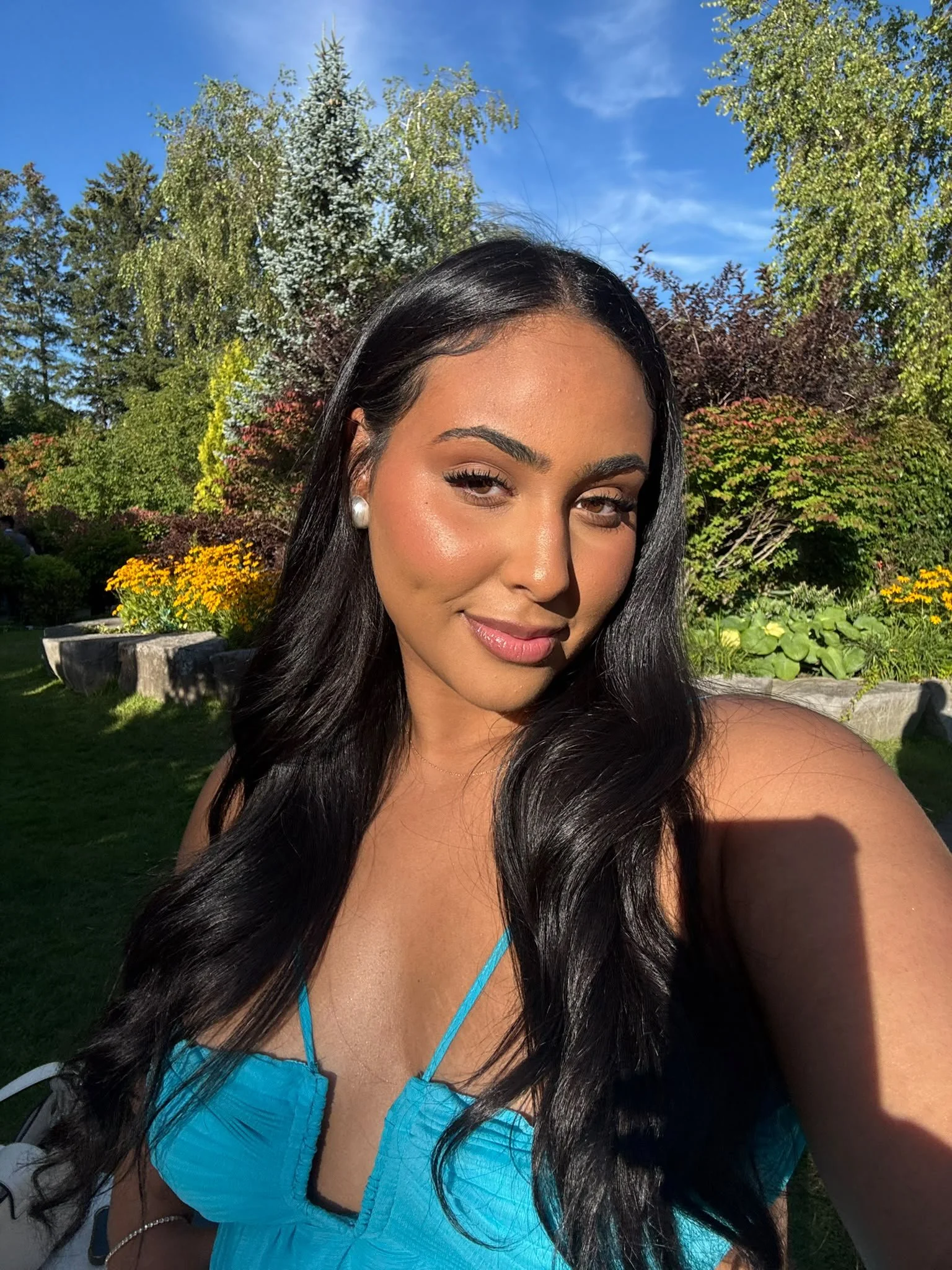
My name is Tarrah Habibi, and I am a 21-year-old journalist and Caribbean content creator. I currently study journalism at Toronto Metropolitan University, and I am pursuing a minor in Caribbean Studies. Journalism has been my dream for as long as I can remember. While many people change their career aspirations throughout their childhood, I have always known that I wanted to be a journalist. I love talking to people and hearing their stories, and I have always adored being in front of a camera. In many ways, journalism and I fit together like two pieces of the same puzzle.
My work focuses heavily on Caribbean culture, history, music, and storytelling. I was born in Toronto to a Guyanese mom and a Persian father—a mix people often do not see. But this unique blend has shaped my identity; the foundation of who I am and my existence has been formed by stories of migration, resilience, sacrifice, and identity. Those stories not only influence who I am as a person, but also heavily inspire the type of journalism work I do. Through my studies, professional experiences, and work as a content creator, I have developed a true passion for telling stories that educate, connect communities, and preserve our beautiful Caribbean culture.
Family Influences and Support
I am extremely close with my family, and the support I get from them has played a major role in shaping who I am today. My mom, dad, and brother have all inspired me in different ways and helped guide me toward my career in journalism.
Growing up, I loved television. As the youngest person in my household, I was practically the only “child” in the house. Although I have an older brother, there is a 17-year age gap between us, so he was already an adult for most of my childhood. Because of this, I often watched whatever the adults were watching on television. That is how my love for daytime television personalities such as Oprah Winfrey and investigative journalists such as Lisa Ling began.
I remember being very young and asking my mom, “Mommy, what does Oprah do?” She replied, “She’s a journalist.” From that moment, I was sold. I chose journalism as my career and have held onto that dream ever since.
I have always been fascinated by stories. Watching Oprah and Lisa Ling as a young girl fascinated me for different but equally important reasons. Oprah was the queen of sit-down interviews. She had a unique ability to make every guest feel comfortable, even when they were sharing deeply personal details with millions of people watching around the world. She built an entire career by creating meaningful conversations and making people feel seen, heard, and understood. Watching her taught me that, to be a good journalist, not only do you need to ask the right questions, but you also need to create a space where people feel safe enough to tell their stories.
Lisa Ling was edgy, and her series Our America was probably way too graphic to watch with a six-year-old, but what fascinated me about her was that she was never afraid to talk to anyone. She interviewed drug dealers, sex workers, addicts, and people living on the margins of society. She would immerse herself in their environments and take the time to understand their lives rather than judge them. She never excluded anyone from the conversation because she believed everyone had a story worth telling. What inspired me most was her ability to sit down with people who had done terrible things and ask thoughtful questions about their childhoods and experiences. She wanted to understand why people became who they were rather than simply labelling them. Watching her work taught me the power of empathy and the importance of understanding the full story.
My mom and brother have been especially important in developing my love for Caribbean culture. My brother is a musician, and his influence sparked my love for soca, dancehall, and Caribbean music as a whole. He always introduced me to music, whether it was classics by Buju Banton or songs like “Ghetto Stories.” Through him, I discovered just how many talented artists we have in our culture and how powerful music can be in connecting people to their roots. Caribbean music has always made me feel close to my culture. When I listen to soca, dancehall, or chutney music, I feel something in my soul. It is more than entertainment—it is a connection to my identity, my family, and my heritage.
Growing up, I listened to the stories of my family members and learned about their experiences, struggles, and achievements. Those stories helped me realize at a very young age that everyone has a story worth telling.
My family’s history has had a profound impact on the way I see the world. My grandparents immigrated from Guyana to Canada in search of a better life. Tragically, only six weeks after arriving, my grandfather died from an allergic reaction to penicillin while in a doctor’s office. Ironically, I carry the same allergy today. His death left my grandmother alone in a new country with six children to raise while trying to navigate a system she did not fully understand. The consequences of that loss were felt throughout generations of our family.
Learning about the hardships, trauma, and challenges my mother experienced growing up helped me understand how deeply one person’s circumstances can affect an entire family for years to come. My mother immigrated to Canada as a young child and faced racism from an early age. At only eight years old, she was called names such as “Paki” and was told she was dirty or smelled bad because she was different. Hearing about those experiences gave me a greater understanding of the realities many immigrant families face and the resilience required to overcome them.
My mother has always expressed that education is important. My great-grandmother could not even sign her own name, let alone write or read, until she was 70 years old, when she decided to go back to school to learn to sign her name. My mom would always tell me how proud my great-grandmother was to finally learn how to do that. My family’s stories and history are shaped by indentureship and how our words were taken away from us, so being able to be educated and tell the stories of my people is important to me.
My father’s story also shaped my perspective. He is Persian and originally from Iran. Following the 1979 Iranian Revolution and the instability that followed, he left Iran in his twenties and eventually made his way to Canada. His journey involved leaving Iran, travelling through India and Belgium, and arriving in Canada as a refugee. Like many immigrants, he left behind everything familiar and took a chance on building a new life in a country where he had to start over from scratch. My father had to survive in a country where he did not even speak the language. His journey taught me about perseverance, sacrifice, and the courage it takes to leave everything you know in search of a better future.
These stories taught me that every family carries complex histories that are often unseen by others. They made me realize that behind every person is a story worth telling. Hearing about the experiences of my parents and grandparents sparked my desire to become a journalist. I wanted to help give people a platform to share their experiences and ensure their stories are heard and understood.
Since I was young, my parents have always supported my dream of becoming a journalist. Even though journalism is not always considered a conventional career path, they never tried to push me toward something else. Many Caribbean families encourage their children to become doctors, lawyers, or engineers, but my parents were simply happy that I had found something I genuinely loved. They supported my passion from the beginning, and having that encouragement gave me the confidence to pursue my dream.
My Educational Journey
After high school, I attended Sheridan College to complete a diploma in journalism. This was where I learned the foundations of the profession. I developed skills in reporting, interviewing, writing, anchoring, and producing content. More importantly, Sheridan helped me build confidence in my abilities and prepared me for a career in the industry.
I entered the program at 18 years old and graduated at 20. During my time at Sheridan, I was fortunate enough to receive a scholarship that allowed me to spend two weeks in Europe learning and practising journalism internationally. During this experience, I visited Manchester University, where I collaborated with journalism students and gained insight into how media is taught and practised in another country.
While in Paris, I had the opportunity to interview a Black artist who owned an art gallery. While walking through the streets of Paris, I stumbled across his storefront, which was filled with art, so I went in and started talking to him. Hearing his story and learning about his work reinforced my passion for storytelling and highlighting voices that are often overlooked. It was one of the first times I was able to see journalism extend beyond the classroom and connect with people from completely different backgrounds and cultures.
My classmates and I also achieved a major milestone when we won a Gold Canadian Online Publishing Award (COPA) for Best Website/Digital Edition in the Academic Division. This accomplishment was especially meaningful because it recognized the quality of journalism and digital storytelling we were producing as students.
During my time at Sheridan, I was fortunate enough to begin my journalism career while still a student. At just 19 years old, after only one year in the program, I landed my first journalism job in Toronto with Gonez Media. There, I worked as a producer and writer, helping organize shoots, conduct interviews, and create content that sparked conversations across the city. The experience allowed me to apply what I was learning in the classroom to real-world journalism and gave me valuable industry experience at a young age.
After completing my diploma, I decided to continue my education by pursuing a degree in journalism at Toronto Metropolitan University, formerly known as Ryerson University. I wanted to further develop my skills, and Toronto Metropolitan University had always been my dream school because of its reputation as one of Canada’s leading journalism programs. Attending the university felt like the next step in achieving the career I had envisioned since childhood.
Discovering Caribbean Journalism
Today, as I study journalism at Toronto Metropolitan University and complete a minor in Caribbean Studies, my Caribbean Studies courses have become one of my greatest passions.
Through these courses, I have gained a deeper understanding of Caribbean history, culture, migration, colonization, and identity. Learning about our people and our shared history has strengthened my connection to my heritage and helped me realize the type of journalist I want to become.
It was through these studies that I discovered my passion for Caribbean journalism. I realized there was a gap in media coverage when it came to positive stories about Caribbean people and communities. While there are many stories about challenges facing our region, there are not enough people highlighting our accomplishments, achievements, and contributions.
My studies have taught me where many aspects of Caribbean culture originate and how history continues to shape our communities today. I have learned about the impact of colonization, migration, resistance, and cultural preservation. This knowledge has inspired me to use journalism as a tool to educate others and celebrate Caribbean people and culture.
As I learned more about Caribbean history, I began creating content online focused on Caribbean culture, music, history, and current events. I quickly realized there was a large audience of Caribbean people and second-generation Caribbean youth who were eager to learn more about their roots and see positive stories about their communities represented online.
It was through these courses that I truly realized I wanted to become a journalist who focused on the Caribbean. I want to tell the stories of our people, celebrate our successes, and document our history in a way that future generations can learn from and appreciate.
While continuing my studies, I have been actively practising journalism through social media and content creation.
I have built an audience of more than 25,000 followers across my platforms, with my content generating millions of views each month. Through my work, I focus on Caribbean culture, history, entertainment, and community stories.
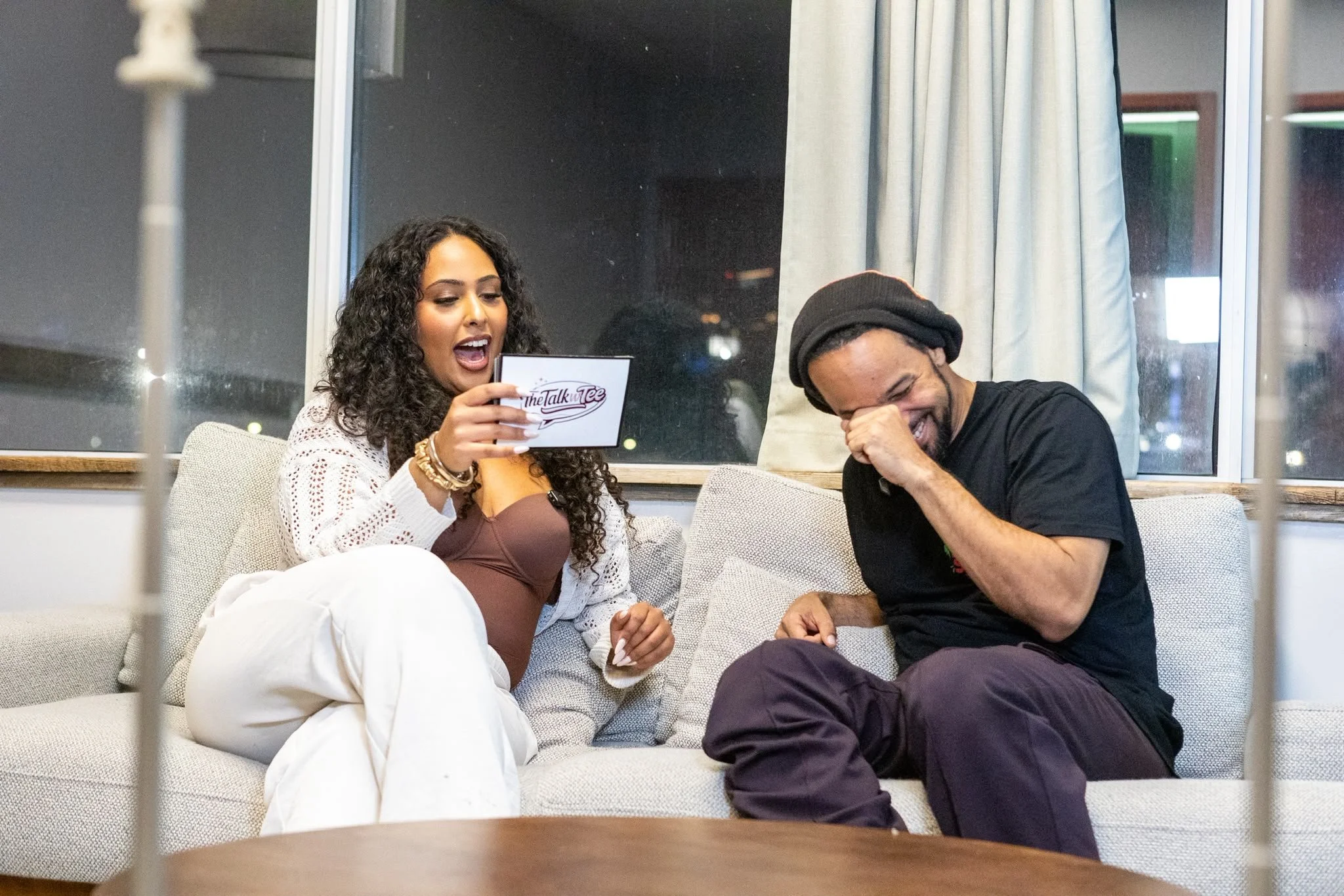
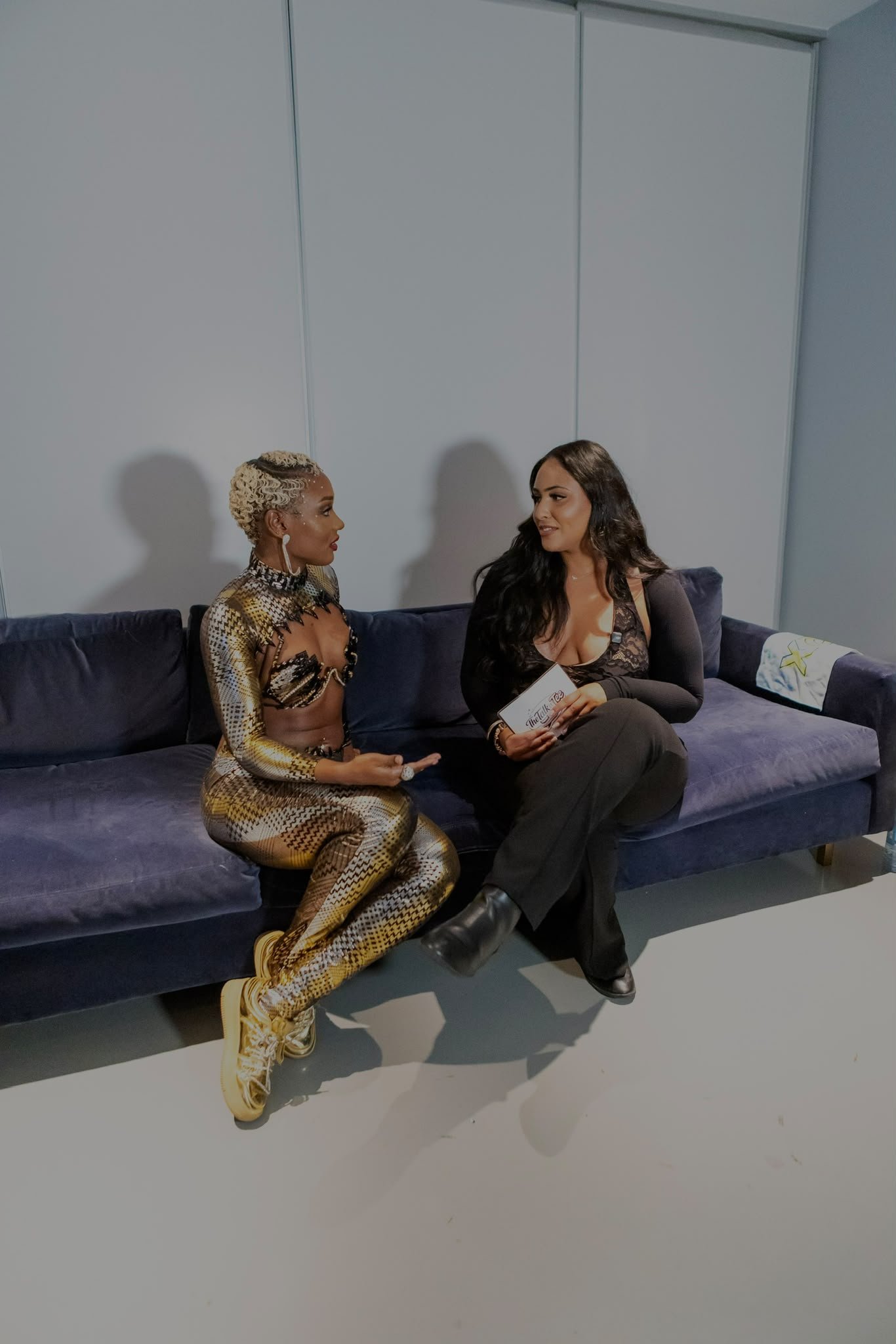
One of my favourite parts of journalism is conducting interviews. I love having meaningful conversations with people and learning about their experiences on a deeper level. Interviews allow me to connect with people in a way that goes beyond headlines and social media posts.
So far, I have interviewed prominent figures such as Kes, Nailah Blackman, Valiant, and Terry G, with many more interviews planned for the future. Through these conversations, I have been able to highlight Caribbean artists, entertainers, and cultural leaders while sharing their stories with audiences across Canada and beyond.
In addition to interviews, I create educational content about Caribbean history and culture. Whether I am discussing historical events, cultural traditions, or achievements within the Caribbean community, my goal is always to inform and inspire. Through this work, I have connected with many second-generation Caribbean people who want to learn more about their heritage and identity.
Seeing people engage with and appreciate these stories has been one of the most rewarding parts of my career so far. Knowing that my content helps people feel connected to their culture reminds me why I wanted to become a journalist in the first place.
My Future Goals
Five years from now, I hope to continue doing the work I am doing today, but on a much larger scale.
My goal is to continue having meaningful conversations within the Caribbean community and amplifying Caribbean voices. I want to keep telling stories that matter, highlighting the accomplishments of our people, and educating others about our culture and history.
I hope to continue conducting interviews with influential figures from across the Caribbean and its diaspora while also reporting on important issues affecting our communities. I want to build a platform that combines journalism, storytelling, and cultural education with my big, bright, and fun personality in a way that is accessible and engaging for audiences around the world.
I hope to build a strong reputation as a trusted journalist and storyteller—someone people recognize for creating impactful and authentic content. Most importantly, I want to continue giving people a platform to share their experiences and ensuring that stories from the Caribbean and its diaspora are heard and celebrated.
Journalism has always been my dream, and with the support of my family, my education, and the opportunities I have been given, I am excited to continue building a career dedicated to telling the stories that deserve to be told. Looking ahead, I hope to become one of the leading voices in journalism, helping preserve our stories, celebrate our culture, and inspire future generations to do the same.